
Research & Innovation
Biosimilars: Transforming Healthcare Through Enhanced Patient Access
9 July 2026
Learn how biosimilars are improving patient access to affordable treatment options. Backed by robust regulation and real-world evidence, this feature explores how growing clinical confidence is supporting their wider adoption.
This article is jointly prepared by the Agency for Care Effectiveness (ACE) and Health Sciences Authority (HSA)
The healthcare landscape is evolving rapidly, with biological medicines being used increasingly to treat complex conditions, from cancer to autoimmune diseases. As clinicians navigate the delicate balance between providing optimal patient care and managing healthcare costs, increased knowledge of biosimilars can improve treatment accessibility without compromising clinical standards. In view of this, the Health Sciences Authority (HSA) and ACE have collaborated to build clinical confidence and encourage biosimilar adoption by healthcare professionals through various initiatives.
Understanding biosimilars
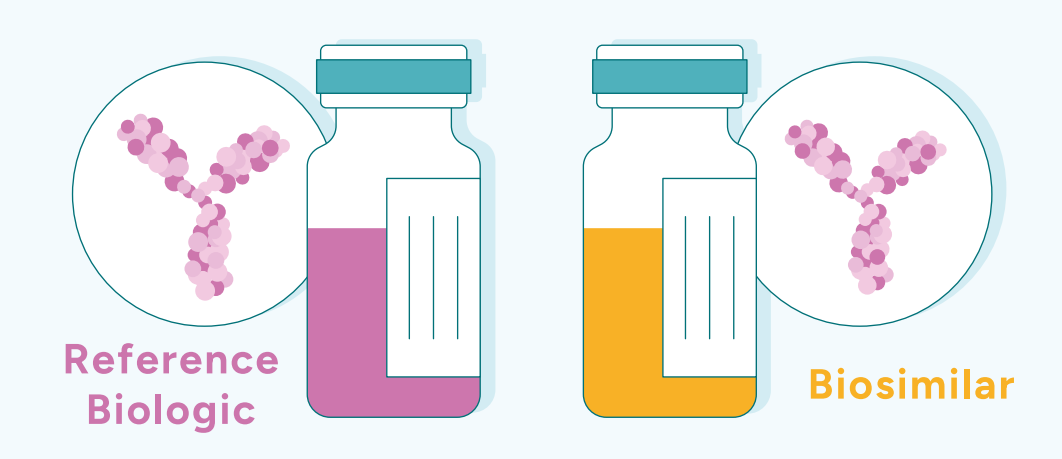
Biosimilars represent a significant advancement in pharmaceutical science—highly similar biological medicines that demonstrate no clinically meaningful differences in safety and efficacy compared to their reference biologics. Unlike chemical drugs which are relatively simpler chemical molecules, biologics are complex products derived from living organisms. This complexity and inherent variability necessitate sophisticated manufacturing processes and rigorous regulatory oversight to ensure therapeutic equivalence in the case of biosimilars.
When the patents of innovator biologics expire, biosimilar manufacturers can develop follow-on copies using advanced analytical technologies and comprehensive comparability studies. These copies retain therapeutic benefits of the original whilst introducing competitive pricing that enhances affordability.
Regulation of biosimilars to ensure clinical confidence
In 2019, the International Coalition of Medicines Regulatory Authorities (ICMRA) released a statement on biosimilars to provide assurance on the robust regulatory processes for the approval and monitoring of these medicines to support their global adoption.1
In Singapore, HSA has a robust regulatory framework for biosimilar approval. Pharmaceutical companies must demonstrate that their biosimilar is highly similar to the reference biologic through extensive analytical, structural and functional characterisation, supported by targeted non-clinical and clinical comparability studies. Advances in high-resolution analytical technologies now enable precise biosimilar characterisation, complemented by sensitive pharmacokinetic/pharmacodynamic assessments, which allow manufacturers to demonstrate comparability without additional clinical efficacy studies for certain well-characterised biologic products (e.g., G-CSFs, insulin analogues, teriparatide), subject to regulatory assessment. This reflects growing confidence in modern analytical and functional methods to determine comparability between biosimilars and innovator biologics.
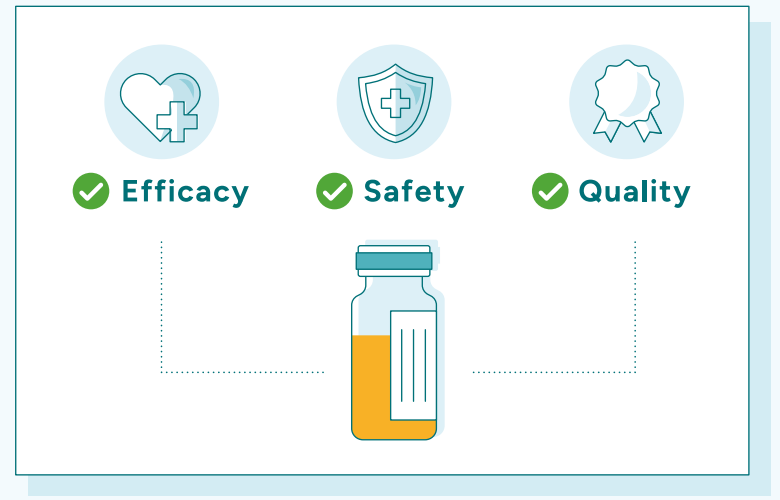
For a biosimilar to be registered by HSA, it must have obtained prior approval in at least one major overseas jurisdiction which includes Australia, Canada, Europe, Switzerland, UK and the US. This ensures that biosimilars have already met international standards before local approval. After registration, post-market surveillance activities ensures their continued safe use locally. HSA is also building its capabilities to evaluate biosimilars de novo in the next few years to enable faster local access to cost effective biologics.
Real-world data of biosimilar adoption and enhanced patient access
Real-world data has established that some biosimilars have been well accepted by clinicians, with substantial cost-savings to the healthcare system. Biosimilars have been available for use in Singapore since 2009 with the approval of SciTropin A™ (somatropin). Since 2018, the Ministry of Health (MOH) has subsidised biosimilar treatments across oncology, rheumatology, gastroenterology, and dermatology.
In a study conducted by the ACE, acceptance and use of biosimilars by clinicians in public healthcare institutions (PHIs) have been high.2 As the first monoclonal antibody biosimilar to receive subsidy listing in Singapore, infliximab biosimilar achieved over 80% utilisation volume^ within two years. Subsequent biosimilars — rituximab, adalimumab and bevacizumab biosimilars — each achieved more than 95% utilisation volume^ within the first year of subsidy listing. The total number of patients receiving treatment with the five monoclonal antibodies (infliximab, adalimumab, trastuzumab, rituximab and bevacizumab) in PHIs increased from 1,800 to nearly 4,100* over four years.
Despite the significant increase in patient numbers receiving treatment, overall spending for these five monoclonal antibodies decreased by more than half, from approximately $57 million in 2018 to $25 million in 2022. This resulted in cumulative cost savings of approximately $136 million over five years. More biosimilars with competitive prices are expected to enter the market, thereby improving patient access to affordable treatment options.
^ Calculated by the utilisation volume in Prescribed Daily Dose (PDD) of the biosimilar over the total utilisation volume of the reference biologic and biosimilar.
* Absolute patient numbers receiving treatment
Experience from post-market surveillance of biosimilars
HSA maintains comprehensive post-market surveillance of all biosimilars approved for use in Singapore through its national pharmacovigilance system. To date, HSA's monitoring of local adverse event reports and global surveillance efforts have not identified any additional safety signals specific to biosimilar products. This contributes to supporting their comparable safety profile to reference biologics in real-world clinical practice. Together with the stringent regulatory requirements for biosimilar approval and the accumulated knowledge from evidence-based literature, this provides reassurance that biosimilars demonstrate no clinically meaningful differences in terms of safety and efficacy.3.4 In addition, HSA is building capabilities to test the potency and quality of biosimilars when they are used in our population, which will further enhance confidence in their use.
Conclusion
The availability of safe and efficacious biosimilars enables clinicians to provide care to more patients whilst maintaining high therapeutic standards.
HSA and ACE have jointly developed a patient factsheet (opens in new tab) on biologics and biosimilars. This resource also provides information about subsidised biosimilars for various medical conditions, so that doctors can discuss suitable treatment options with their patients.
References:
Pharmacoecon Open 2024; 8: 679-88
J Clin Med 2025; 14: 1644
Blood 2012; 120: 5111–7